Subfloor Installation in Wilmington, NC
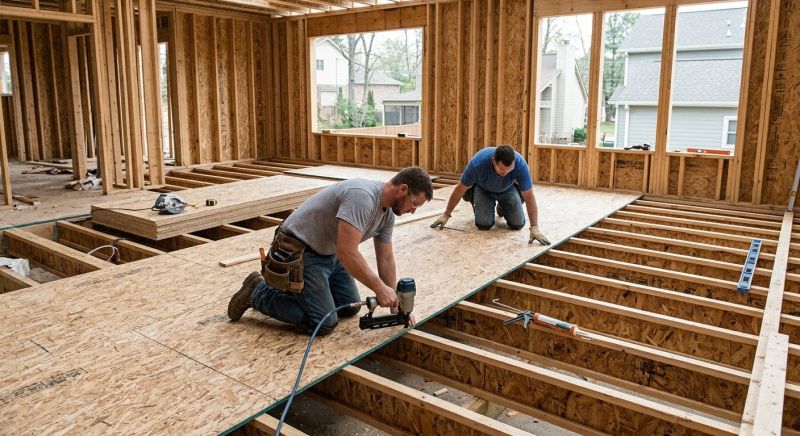
Subfloor installation services involve preparing and installing the foundational layer beneath flooring materials such as hardwood, laminate, tile, or carpet. This process is essential for creating a stable, level surface that supports the finished flooring and helps prevent issues like unevenness, squeaks, or shifting over time. Projects typically include replacing damaged or rotted subfloors, leveling uneven surfaces, or installing new subflooring during major renovations or new construction. Property owners often want to understand the types of subfloor materials available, the importance of a properly installed base for long-term durability, and how the process might impact their existing flooring or structure.
Before requesting subfloor installation, homeowners should consider the current condition of their existing subfloor, including any signs of damage, moisture issues, or unevenness. It’s also helpful to know the scope of the project, such as whether the work involves partial or full replacement, and the types of flooring that will be installed afterward. Clear communication about the property's structure and any specific concerns can ensure that the subfloor is properly prepared to support the new flooring and maintain the integrity of the space.
Many property owners in Wilmington, NC look into Subfloor Installation for repairs, replacements, upgrades, and appearance-related improvements.
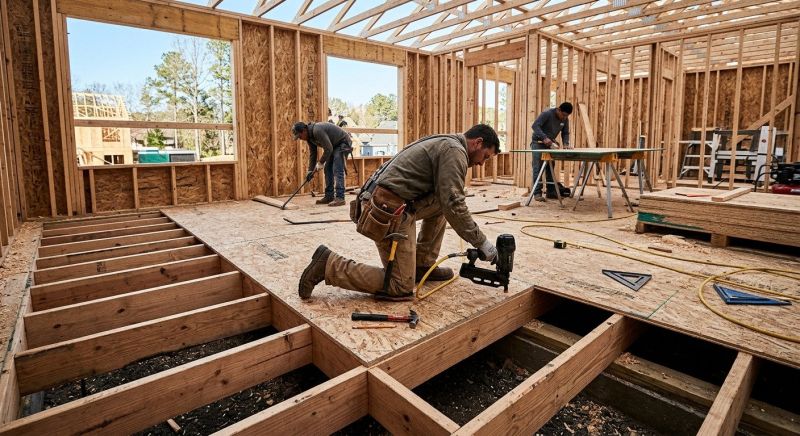
Subfloor Repair And Replacement
Restoring damaged or rotted subfloors to ensure a stable foundation for flooring.
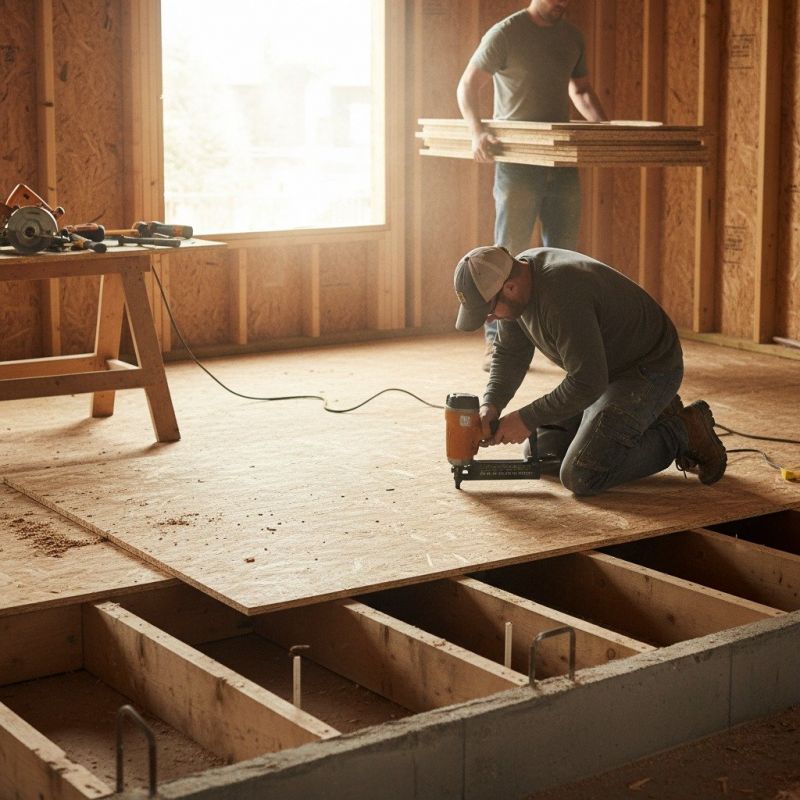
Subfloor Installation For Renovations
Preparing surfaces for new flooring in home upgrades and remodeling projects.
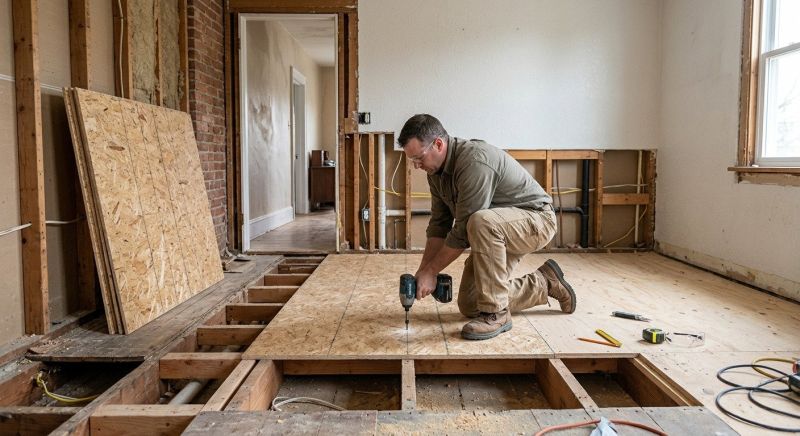
Subfloor Inspection And Preparation
Assessing existing subfloors to identify issues before installing new flooring materials.
Subfloor Installation in Wilmington, NC
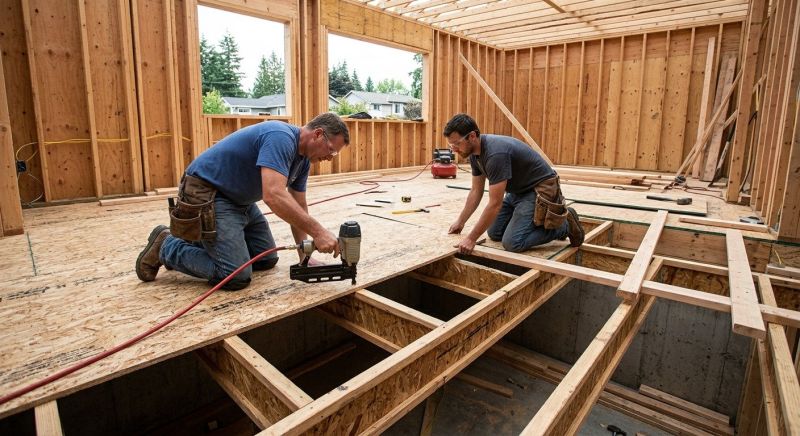
Subfloor installation services involve preparing and installing the foundational layer beneath flooring materials such as hardwood, laminate, tile, or carpet. This process is essential for creating a stable, level surface that supports the finished flooring and helps prevent issues like unevenness, squeaks, or shifting over time. Projects typically include replacing damaged or rotted subfloors, leveling uneven surfaces, or installing new subflooring during major renovations or new construction. Property owners often want to understand the types of subfloor materials available, the importance of a properly installed base for long-term durability, and how the process might impact their existing flooring or structure.
Before requesting subfloor installation, homeowners should consider the current condition of their existing subfloor, including any signs of damage, moisture issues, or unevenness. It’s also helpful to know the scope of the project, such as whether the work involves partial or full replacement, and the types of flooring that will be installed afterward. Clear communication about the property's structure and any specific concerns can ensure that the subfloor is properly prepared to support the new flooring and maintain the integrity of the space.
Many property owners in Wilmington, NC look into Subfloor Installation for repairs, replacements, upgrades, and appearance-related improvements.
Common Subfloor Installation Jobs
Subfloor Installation - Provides a stable foundation for new flooring and renovations.
Subfloor Replacement - Addresses damaged or rotting subfloors to prevent structural issues.
Subfloor Repair - Fixes squeaks, uneven surfaces, and water damage for a smooth finish.
Subfloor Leveling - Ensures a flat surface for hardwood, laminate, or tile installation.
Subfloor Insulation - Enhances energy efficiency and soundproofing in living spaces.
Subfloor Waterproofing - Protects against moisture damage in basements and bathrooms.
Subfloor Installation Questions
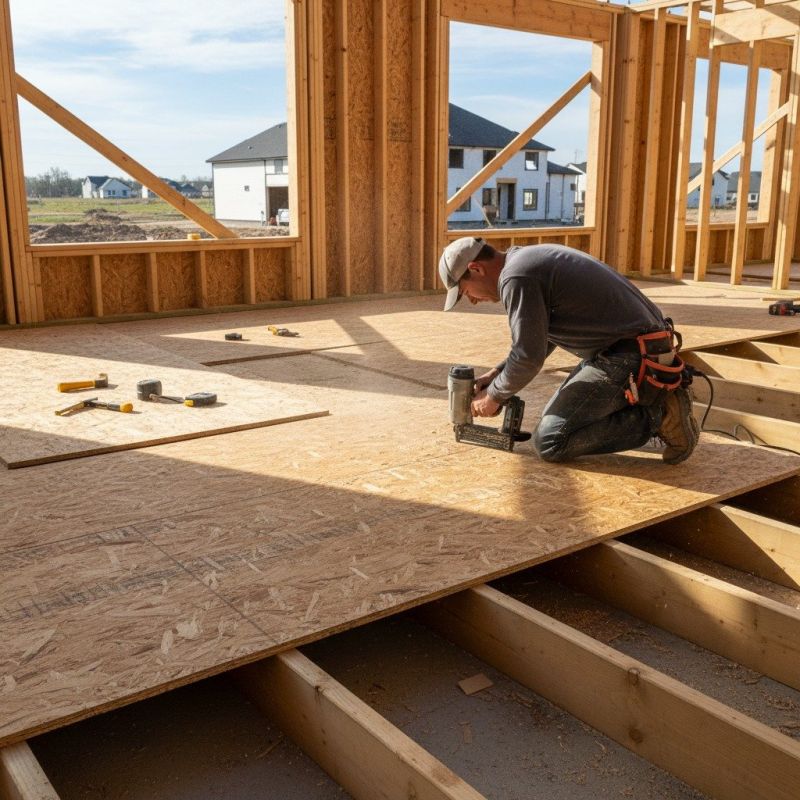
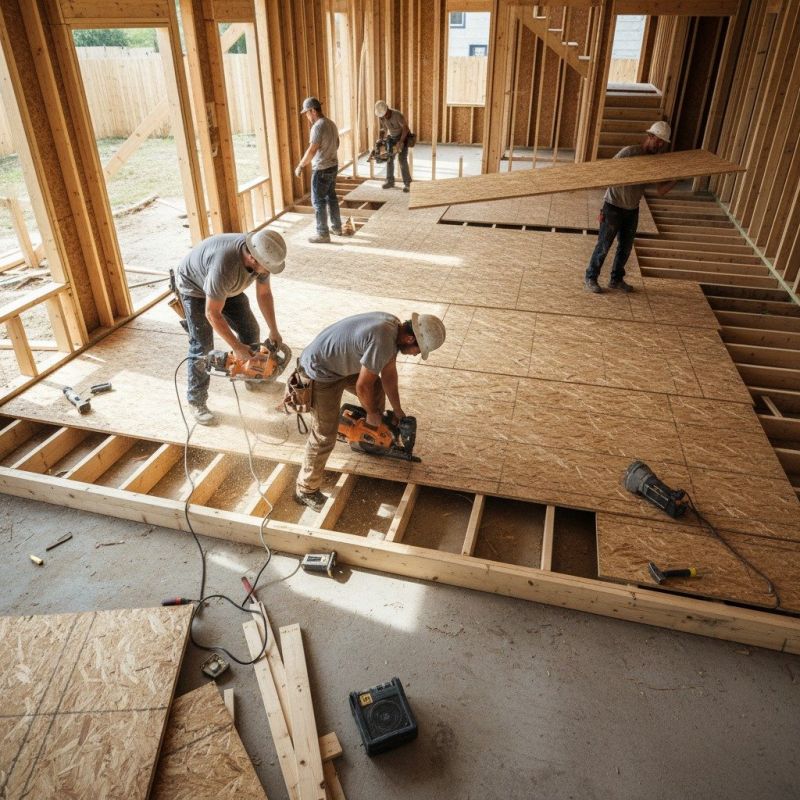
What is subfloor installation? Subfloor installation involves adding a supportive base layer beneath the finished flooring to ensure stability and durability in areas like Wilmington homes and commercial spaces.
What types of subfloor materials are commonly used? Common subfloor materials include plywood, oriented strand board (OSB), and concrete, chosen based on the specific needs of the project and building type.
When should a property owner consider replacing the subfloor? Replacement may be necessary if the existing subfloor is damaged, rotting, or warped, which can affect the integrity of the finished flooring.
What projects typically require subfloor installation? Subfloor installation is often needed during home renovations, new construction, or when upgrading flooring in areas like kitchens, basements, or garages.
Request Subfloor Installation in Wilmington, NC
Use the quote form on this page to share the basics of your project and request more information for the type of work you need.